
ABPS Verified
Board-Certified Plastic Surgeon — Manhattan, NYC
The NYC Plastic Surgeon
Rhinoplasty, breast augmentation, tummy tuck, and body contouring for patients across Manhattan and New York City — every procedure begins with an honest, in-person consultation, never a flat online price.
Welcome to The NYC Plastic Surgeon — Honest Plastic Surgery Consultations in Manhattan
The internet is full of generic procedure pages that tell you nothing you couldn't have guessed. This page doesn't work that way — every procedure below is explained the way The NYC Plastic Surgeon explains it in the consultation room. Meet The NYC Plastic Surgeon
Every procedure below covers what it actually involves, a real recovery timeline, and who tends to be a good candidate — no "starting at" number, no stock photo gallery standing in for an actual conversation about your anatomy.
Patients come to The NYC Plastic Surgeon from every corner of New York City — the Upper East Side, Tribeca, Brooklyn, Queens, and beyond — for the same reason: they want a surgeon who treats a consultation as an evaluation, not a sales pitch. That means talking through your specific anatomy, your goals, and what a realistic outcome looks like before any procedure is ever discussed as a next step.
Whether you already know exactly which procedure interests you or you're still comparing options, the goal of this page is the same: give you enough real information to walk into a consultation with informed questions, not blind trust in whatever you read online.
You'll find the same approach throughout every section below — real procedure details, real pricing context, and a dedicated Tips section built specifically to help you evaluate any plastic surgeon, not just The NYC Plastic Surgeon, before you commit to anything.

What Makes The NYC Plastic Surgeon a Trusted NYC Plastic Surgery Practice?
The NYC Plastic Surgeon is led by a board-certified plastic surgeon who evaluates every patient individually — real anatomy, real goals, and an honest recovery timeline, not a one-size-fits-all sales pitch. Learn more about The NYC Plastic Surgeon
Board certification through the American Board of Plastic Surgery requires years of dedicated residency training beyond medical school, plus rigorous written and oral examinations — it is the single most reliable credential a patient can verify before choosing a surgeon, and The NYC Plastic Surgeon is glad to confirm it directly.

What Does "Board-Certified" Actually Mean in Plastic Surgery?
Board certification through the American Board of Plastic Surgery (ABPS) requires completing an accredited plastic surgery residency — typically six years of surgical training beyond medical school — followed by rigorous written and oral examinations administered by practicing surgeons. It is not a marketing term or a certificate from a weekend course; it is the credential every plastic surgery patient should verify directly with the ABPS before booking a procedure, and certification is not permanent — ABPS-certified surgeons must maintain it through ongoing education and periodic recertification, not a one-time exam decades ago.
What Happens at a First Plastic Surgery Consultation in Manhattan?
Every consultation starts with a physical evaluation of the area you want addressed, followed by an honest conversation about what result is realistic given your specific anatomy — not a generic before-and-after gallery standing in for your own outcome. You leave with a real understanding of the procedure, the recovery, and the cost, never a rushed sales pitch designed to get you to book same-day, and you should feel free to take that information home and think it over before scheduling anything.
Do You See Patients From Outside Manhattan?
Patients come from all five boroughs — Brooklyn, Queens, the Bronx, and Staten Island, not just Manhattan — for both surgical procedures and non-surgical treatments. Many travel in for a single consultation and coordinate their procedure and follow-up visits around a work or travel schedule, which your care team can help plan around, including patients who fly in from outside the tri-state area specifically for a consultation.
Which Plastic Surgery Procedure Is Right for You in Manhattan?
The NYC Plastic Surgeon offers both surgical procedures and non-surgical treatments for patients across New York City. Below is a real, detailed look at each — not marketing copy. See every procedure page
Facial Procedures in Manhattan
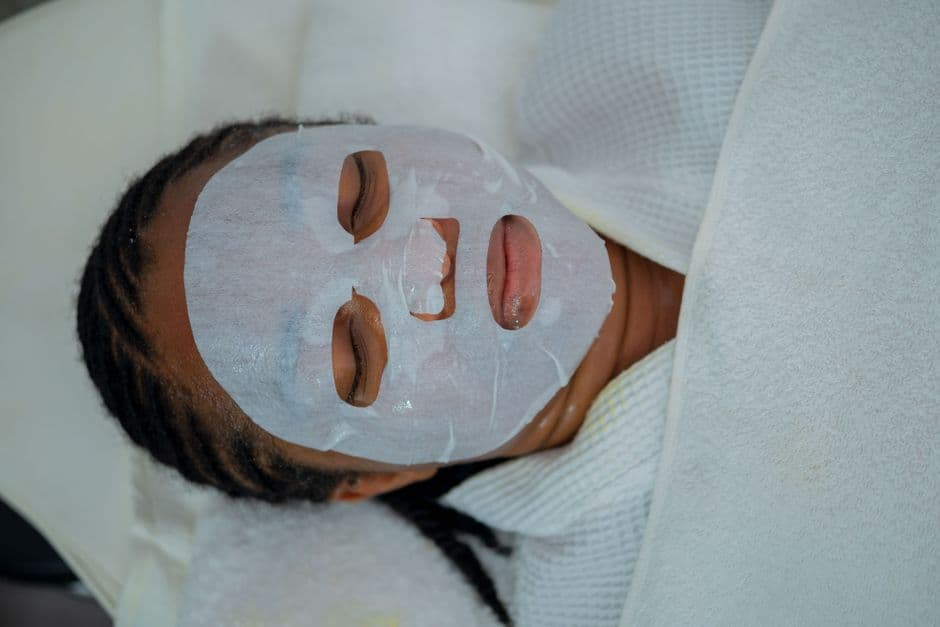
Facelift: What to Know Before Your Manhattan Consultation
A facelift (rhytidectomy) lifts and tightens sagging skin and underlying facial tissue in the mid-to-lower face and neck, addressing jowls, deep nasolabial folds, and loose neck skin that non-surgical treatments cannot meaningfully improve. It is frequently combined with a neck lift, since the two areas age together and are addressed through overlapping incisions.
This is one of the longer, more involved procedures on this page: incisions typically run from the hairline at the temple, around the ear, and into the lower scalp, and recovery generally runs two to three weeks before patients feel comfortable in public, with residual swelling settling over several months. Results are commonly described as lasting seven to ten years, though the natural aging process continues throughout — a facelift resets the clock, it does not stop it.
Facelift technique varies by surgeon — some use a SMAS (superficial musculoaponeurotic system) lift, others a deep plane technique that repositions tissue at a deeper layer — and the right approach depends on your specific anatomy and degree of laxity, not a one-size-fits-all method. Good candidates are generally in good overall health with realistic expectations; a facelift addresses sagging skin and tissue, not skin quality or texture, which non-surgical treatments may address separately.
Ask specifically how your surgeon plans to address your neck, since a facelift alone does not always fully correct neck laxity — a combined neck lift, liposuction of the neck, or a separate platysmaplasty (tightening the neck muscle band) may be part of a complete plan depending on your anatomy.
Ask to see your surgeon's own photos of patients with a similar starting point to yours, and ask specifically how they think about incision placement for your hairline and ear shape, since incision patterns are adjusted individually rather than applied identically to every patient.
Full Facelift guide for The NYC Plastic Surgeon patients →Rhinoplasty: What to Know Before Your Manhattan Consultation
Rhinoplasty reshapes the bone and cartilage of the nose to change its size, shape, or proportion relative to the rest of the face, and can also correct breathing problems caused by a deviated septum or narrow nasal passages. Some patients want a smaller or straighter bridge; others are addressing a bump, a wide tip, or asymmetry from a prior injury. Because the nose is the central feature of the face, even small changes in millimeters can shift how balanced the whole face reads — which is exactly why a templated "before and after" photo from another patient tells you very little about your own result.
Surgical technique falls into two broad categories: closed rhinoplasty, where incisions are hidden inside the nostrils, and open rhinoplasty, which uses a small incision across the columella (the strip of skin between the nostrils) for more direct access to complex reshaping. Recovery typically involves a splint for about a week, with the bulk of visible swelling resolving over three to four weeks — though the final, fully-settled result of a rhinoplasty can take up to a year to fully reveal itself as subtle swelling continues to resolve.
Good candidates are patients whose facial bones have finished developing (generally 18 and older), non-smokers or those willing to quit for the healing window, and anyone with realistic expectations about a nose that fits their own face rather than a template of someone else's. Revision rhinoplasty — correcting a previous rhinoplasty — is more technically demanding due to scar tissue and altered anatomy, and is worth discussing candidly with a surgeon experienced specifically in revision cases if that's your situation.
Questions worth asking at consultation include how your breathing will be affected if you have any nasal airway concerns, whether cartilage grafting will be needed and where it would come from — septum, ear, or rib — and how many rhinoplasties of your specific type the surgeon performs in a typical year, since tip refinement and full structural reshaping call for different levels of experience.
If breathing is part of your concern, ask specifically whether your procedure will include a septoplasty to correct a deviated septum — this is often billed and coded separately from the cosmetic reshaping, and insurance may cover the functional portion even when the cosmetic portion is out of pocket.
Full Rhinoplasty guide for The NYC Plastic Surgeon patients →Eyelid Surgery: What to Know Before Your Manhattan Consultation
Eyelid surgery (blepharoplasty) removes excess skin, muscle, and sometimes fat from the upper and/or lower eyelids, addressing hooding that can make eyes look tired or, in more advanced cases, actually obstruct upper peripheral vision. Upper and lower eyelid surgery are frequently performed separately since they address different concerns and use different incision approaches.
It is one of the shorter-recovery procedures on this page — most swelling and bruising resolve within one to two weeks, and many patients feel comfortable in public with makeup or sunglasses well before that. Because eyelid skin is thin and heals visibly, a consultation should include a close look at your specific eyelid anatomy rather than a generic recommendation.
When upper eyelid hooding is severe enough to obstruct vision, some insurance plans will cover the procedure after a documented visual field test showing functional impairment — worth asking your surgeon's office about before assuming it's purely cosmetic. Eyelid surgery is also frequently combined with a brow lift when a low or heavy brow is contributing to the tired appearance, since addressing the eyelids alone won't correct a brow position issue.
Ask specifically whether fat is being removed or repositioned in your case — modern technique increasingly favors repositioning fat rather than removing it outright, since over-removal can create a hollow, aged look years later that is harder to correct than the original hooding.
If you wear contact lenses, ask how soon after surgery you can resume wearing them, since dryness and swelling in the first days can make contacts uncomfortable — many patients switch to glasses temporarily during the initial healing window.
Full Eyelid Surgery guide for The NYC Plastic Surgeon patients →Body & Breast Procedures in Manhattan

Breast Augmentation: What to Know Before Your Manhattan Consultation
Breast augmentation increases breast size and changes shape using saline or silicone implants, placed either above or below the chest muscle depending on your anatomy and goals. The decision between saline and silicone, and between an inframammary (under the breast), periareolar (around the nipple), or transaxillary (armpit) incision, is anatomical — it depends on your existing tissue, skin elasticity, and the size and profile of implant you and your surgeon choose together.
Most patients return to non-strenuous work within a week and to full activity, including exercise, within four to six weeks. Implants are not lifetime devices — the FDA and most surgeons recommend periodic monitoring, and many patients eventually have an implant exchange or removal decades later. A breast augmentation consultation should cover implant type, incision placement, and a realistic conversation about long-term maintenance, not just a size and a price.
Choosing a size is a collaborative process, not a number picked off a chart — many practices use sizers or 3D imaging during consultation so you can visualize different volumes on your own frame before deciding. It's also worth knowing that mild breast asymmetry is common before surgery and typically remains slightly present afterward; a good consultation addresses this honestly rather than promising perfect symmetry.
Ask specifically about capsular contracture — scar tissue tightening around an implant, which is the most common longer-term complication — including how frequently your surgeon sees it in their own patients and what the treatment path looks like if it happens. This is a more useful safety conversation than a generic reassurance that implants are safe.
Implant profile — how far the implant projects from the chest — is a separate decision from size, and two implants of the same volume can look very different on the same frame depending on projection. Ask to see or feel implant sizers in different profiles, not just volumes, before deciding.
Full Breast Augmentation guide for The NYC Plastic Surgeon patients →Breast Lift: What to Know Before Your Manhattan Consultation
A breast lift (mastopexy) repositions breast tissue and removes excess skin to raise breasts that have lost their shape due to pregnancy, breastfeeding, weight change, or age — without necessarily changing their size. It is a different procedure from augmentation, though the two are frequently combined when a patient wants both a lift and added volume (sometimes marketed as a "mommy makeover" component).
Incision patterns range from a minimal scar around the areola to a full anchor-shaped incision, depending on how much lift and skin removal is needed. Results are considered long-lasting but not permanent — gravity, aging, and any future pregnancy will continue to affect breast position over time, which is worth discussing honestly at a consultation rather than treated as a one-time permanent fix.
A lift alone does not add volume — patients who want both a higher position and more fullness typically combine a lift with implants in the same surgery. It is also worth discussing nipple sensation directly: temporary changes in sensitivity are common after a lift, and while permanent loss is uncommon, it is a real risk that belongs in an honest pre-surgical conversation.
Ask how the specific incision pattern being recommended for you compares to lower-scar alternatives, and whether you are a candidate for a less extensive lift technique. Not every patient needs the most extensive incision pattern, and a thorough consultation explains why a particular pattern is right for your anatomy rather than defaulting to one approach.
If you're on the fence between a lift and augmentation alone, ask your surgeon to explain specifically what a lift addresses that an implant alone cannot — position and shape versus fullness — since patients sometimes request the wrong procedure for what they're actually trying to change.
Full Breast Lift guide for The NYC Plastic Surgeon patients →Breast Reduction: What to Know Before Your Manhattan Consultation
Breast reduction removes excess breast tissue, fat, and skin to reduce breast size and weight — often addressing real physical symptoms like chronic back, neck, and shoulder pain, skin irritation, and posture problems caused by disproportionately large breasts, rather than being purely cosmetic. Because of the functional/medical component, breast reduction is one of the few procedures on this page that is sometimes partially covered by insurance, depending on documented symptoms and the amount of tissue removed — a conversation worth having directly with your insurer and surgeon's office.
The procedure repositions the nipple and areola to a natural position on the smaller breast mound, and most patients report significant symptom relief within the first few weeks of recovery. As with a lift, some scarring is unavoidable and is disclosed and planned for as part of the incision pattern chosen at consultation.
If you're hoping insurance will cover part of the cost, expect to document your symptoms over time — many insurers want records of back or shoulder pain, skin irritation, or physical therapy attempts before approving coverage, and your surgeon's office can often help navigate that paperwork. Even when insurance contributes, expect some out-of-pocket cost for anesthesia or facility fees depending on your plan.
Ask how much tissue is expected to be removed, measured in grams per breast, and how that maps to a realistic new cup size, since 'reduction' can mean very different outcomes depending on your starting anatomy and goals. This is also a good moment to ask about breastfeeding ability afterward if future pregnancy is a consideration for you.
Nipple sensation and future breastfeeding ability are both worth discussing directly before surgery, since technique choices can affect both to varying degrees — a thorough consultation walks through this rather than treating it as a minor footnote.
Full Breast Reduction guide for The NYC Plastic Surgeon patients →Mommy Makeover: What to Know Before Your Manhattan Consultation
"Mommy makeover" is a marketing term, not a single procedure — it refers to a combination of surgeries (most commonly a tummy tuck plus breast augmentation and/or a breast lift, sometimes with liposuction) performed together to address the physical changes of pregnancy and breastfeeding in one recovery period rather than several. Combining procedures reduces total anesthesia exposure across separate surgeries and consolidates downtime, but it is also a longer single surgery and recovery than any one component alone.
Whether combining procedures is appropriate for you depends on your overall health, the specific combination requested, and your surgeon's judgment about safe operative time — not every combination is advisable for every patient, and a responsible consultation will say so directly rather than upselling a package.
Most surgeons recommend waiting until you're done having children and have finished breastfeeding before scheduling a mommy makeover, since a future pregnancy can undo results like a tummy tuck's muscle repair. Weight should also be stable for several months beforehand — significant weight loss or gain after surgery can meaningfully change the outcome.
Ask your surgeon to walk through the order procedures will be performed in during a combined surgery, and how that order was chosen — some sequencing decisions affect swelling and the accuracy of intraoperative measurements for other components of the makeover. A transparent surgeon explains their specific plan rather than treating it as a packaged deal.
Because a mommy makeover is a longer combined surgery, ask specifically about total operative time and how your surgeon manages safety for procedures that run several hours, including where the surgery takes place and what monitoring is in place throughout.
Full Mommy Makeover guide for The NYC Plastic Surgeon patients →How Long Is Recovery After Body & Breast Surgery in Manhattan?
Body and breast procedures carry some of the longer recovery windows on this page — a few days of restricted activity for liposuction, several weeks for a tummy tuck or mommy makeover. Your surgeon maps the specific timeline to your procedure and anatomy at consultation, not a generic one-size-fits-all schedule, and factors in whether you are combining more than one procedure in the same surgery. Ask about your recovery timeline

Tummy Tuck: What to Know Before Your Manhattan Consultation
A tummy tuck (abdominoplasty) removes excess skin and fat from the abdomen and tightens the underlying abdominal muscles, which is why it is meaningfully different from liposuction — liposuction removes fat, but it does not address loose skin or separated abdominal muscles (diastasis recti), which is common after pregnancy or significant weight loss. Patients considering a tummy tuck for post-pregnancy changes, or after major weight loss, are typically better candidates than patients simply looking to lose the last few pounds.
Recovery is one of the longer timelines on this page: most patients need one to two weeks away from work and four to six weeks before resuming exercise or heavy lifting, with a compression garment worn for several weeks to support healing. A drain is commonly placed for the first week or so to manage fluid as the tissue heals — a detail worth asking about directly since it affects the first days of recovery logistics.
Not every patient needs a full tummy tuck — a mini tummy tuck addresses a smaller area below the belly button with a shorter incision and recovery, and is appropriate when muscle separation and excess skin are limited to the lower abdomen. The muscle repair itself, bringing separated abdominal muscles back together with sutures, is often what patients notice most, since it restores a flatter contour that diet and exercise alone can't achieve once the muscles have separated.
Ask whether you are a candidate for a fleur-de-lis technique, which adds a vertical incision for patients with significant excess skin (often after major weight loss), versus a standard horizontal incision — the right technique depends heavily on your specific skin laxity pattern, not a single default approach.
Full Tummy Tuck guide for The NYC Plastic Surgeon patients →Liposuction: What to Know Before Your Manhattan Consultation
Liposuction removes localized fat deposits that have not responded to diet and exercise — common areas include the abdomen, flanks, thighs, and under the chin. It is a body contouring procedure, not a weight-loss procedure: candidates are generally already near a stable, healthy weight and are targeting specific stubborn areas rather than significant overall fat loss, and skin elasticity affects how smoothly skin re-drapes afterward.
Techniques vary (tumescent, ultrasound-assisted, laser-assisted), and the right one depends on the treatment area and your skin quality. Most patients return to light activity within a few days and normal exercise within two to three weeks, with final contour visible over the following months as post-operative swelling resolves.
Skin elasticity matters as much as the fat removed — younger patients with more elastic skin tend to see smoother results, while looser skin may need a complementary procedure like a tummy tuck to address skin laxity rather than fat alone. Liposuction results are permanent in the sense that treated fat cells are removed, but significant weight gain afterward can still add new fat, including in untreated areas.
Ask how many total areas can safely be treated in one session, since there's a real limit to how much fat can be safely removed at once — a surgeon prioritizing your safety over maximizing a single visit will give you a straight answer about staging multiple areas across separate sessions if needed.
Full Liposuction guide for The NYC Plastic Surgeon patients →Brazilian Butt Lift: What to Know Before Your Manhattan Consultation
A Brazilian Butt Lift (BBL) uses fat harvested via liposuction from another area of the body (commonly the abdomen or flanks) and reinjects it into the buttocks to add volume and shape — meaning it is really two procedures in one, liposuction plus fat grafting, and requires you to have enough donor fat available. Not all of the transferred fat survives the transfer permanently; surgeons typically account for a percentage of graft loss when planning volume, which is worth asking about directly.
BBL has real, well-documented safety considerations tied to injection technique and depth — this is a procedure where your surgeon's specific training and technique matter enormously, and it is reasonable to ask directly about how fat is injected and what safety protocols are followed. Recovery includes restricted direct sitting for a period of time to protect the graft, which is a real lifestyle adjustment worth planning for.
Because a BBL relies on your own fat, you need enough donor fat available in areas like the abdomen or flanks — patients who are already very lean may not be candidates and might be better served by a buttock implant instead, which is a fundamentally different surgery with its own risk profile worth discussing directly at consultation.
Ask specifically whether fat is injected above or below the muscle — injecting into the muscle itself is associated with the rare but serious safety complications linked to BBL, and reputable surgeons now avoid intramuscular injection specifically for this reason. This is one of the most important safety questions to ask directly before choosing a surgeon for this procedure.
Full Brazilian Butt Lift guide for The NYC Plastic Surgeon patients →Non-Surgical Treatments in Manhattan

Botox: What to Know Before Your Manhattan Consultation
Botox is a purified injectable that temporarily relaxes the specific muscles responsible for expression lines — most commonly forehead lines, frown lines between the brows, and crow's feet — by blocking the nerve signal that causes those muscles to contract. Results typically appear within three to seven days and last three to four months as the effect gradually wears off, which is why it is a repeat treatment rather than a one-time procedure.
It is non-surgical with no real downtime — most patients return to normal activity immediately, with only a brief window of minor swelling or a small bruise at injection sites being possible. Botox addresses dynamic wrinkles caused by muscle movement; it does not add volume, which is the key difference from dermal fillers.
Dosing is measured in units and varies by area and by individual muscle strength — more units are not automatically a better result, and an experienced injector calibrates dose to your specific facial anatomy rather than using a flat number for every patient. Botox is also used off-label for a limited number of non-cosmetic purposes, such as migraines or excessive sweating, which is worth mentioning if that's part of your interest.
Ask to see the product packaging or vial at your appointment — confirming you are receiving an FDA-approved product (Botox, Dysport, or Xeomin) rather than a diluted or unapproved substitute is a reasonable request, and a legitimate injector will have no issue showing you.
Ask how your specific facial movement pattern was evaluated before treatment — a thorough injector watches you make expressions (raising eyebrows, frowning, smiling) to map exactly which muscles need treatment for your face, rather than injecting a standard pattern used on every patient.
Full Botox guide for The NYC Plastic Surgeon patients →Dermal Fillers: What to Know Before Your Manhattan Consultation
Dermal fillers are injectable gels (most commonly hyaluronic acid-based) that add volume to soften static lines, restore lost volume in the cheeks or under-eye area, or enhance lip shape and fullness. Unlike Botox, fillers work by physically adding volume rather than relaxing muscle, and different filler products are formulated with different thickness and elasticity for different areas of the face.
Results are visible immediately and typically last six months to two years depending on the product, treatment area, and your individual metabolism. Hyaluronic acid fillers have the advantage of being reversible with an enzyme (hyaluronidase) if a correction is needed — a real safety feature worth understanding before treatment.
Filler placed too superficially or in the wrong plane can create a visibly overfilled or lumpy look, which is why technique and product choice matter as much as an injector's eye for proportion — ask specifically which filler and formulation is being used and why it suits the area you're treating. If you're new to fillers, starting conservatively and building up over subsequent visits is generally a safer approach than requesting a dramatic change in a single session.
Ask which specific product line and formulation — not just "hyaluronic acid filler" generically — is being used for your treatment area, since different products within the same broad category are engineered for different tissue depths and movement patterns. Using the wrong product for an area is a common cause of an unnatural result.
If lip filler is your interest specifically, ask how your injector avoids an overfilled look — a good injector explains their approach to proportion and ratio between the upper and lower lip rather than just adding volume uniformly.
Full Dermal Fillers guide for The NYC Plastic Surgeon patients →CoolSculpting: What to Know Before Your Manhattan Consultation
CoolSculpting is a non-surgical, non-invasive body contouring treatment that uses controlled cooling (cryolipolysis) to freeze and gradually eliminate fat cells in a targeted area, without incisions, anesthesia, or the recovery time associated with liposuction. It is best suited for smaller, localized areas of stubborn fat rather than significant overall fat reduction, and results develop gradually over one to three months as the body naturally processes the treated fat cells.
Most patients need no downtime at all and can return to normal activity immediately, though temporary redness, numbness, or tenderness in the treated area is common in the first days after treatment. Because results are gradual and modest compared to surgical fat removal, a consultation should set realistic expectations about scale of change rather than presenting it as a liposuction substitute.
Most patients need more than one session per area to see the full result they're picturing, and a consultation should give you a realistic number of sessions rather than promising dramatic change from a single treatment. A rare but real side effect called paradoxical adipose hyperplasia (PAH) — where treated fat cells increase rather than shrink — is worth being told about directly as part of informed consent, even though it affects a small minority of patients.
Ask to see a photo of the specific applicator that will be used on your treatment area before your session, since applicator fit affects how evenly an area is treated — a poorly fitted applicator can produce uneven or incomplete results regardless of how many sessions you do.
Ask whether your treatment area is a good match for CoolSculpting's applicator shapes at all — irregular or smaller areas sometimes respond better to an alternative like liposuction, and an honest consultation will say so rather than trying to make every area fit the available applicators.
Full CoolSculpting guide for The NYC Plastic Surgeon patients →How Much Does Plastic Surgery Cost in New York City?
The price of any procedure depends on your anatomy, the technique used, anesthesia, and facility fees — The NYC Plastic Surgeon explains real cost factors here rather than posting a number designed to get you to call. Read the full pricing page
Every "plastic surgery cost" number you find online for a specific procedure is, at best, a national average — and at worst, a lowball figure meant to get you to call. The real cost of your procedure depends on several concrete factors: the surgeon's fee, the anesthesiologist's fee for surgical procedures, the operating facility fee, any post-operative garments or medications, and the specific technique and scope your anatomy requires.
Surgical procedures generally represent the largest investment because they involve an operating facility, anesthesia, and a longer surgeon's fee reflecting operative time. Non-surgical treatments are priced per unit, per syringe, or per session and are repeat expenses rather than one-time costs.
Because cosmetic procedures are almost never covered by insurance, financing is a normal part of how patients pay for plastic surgery. Ask specifically about interest rates and terms before signing, since promotional 0% periods often convert to high retroactive interest if not paid in full on time.
The only way to get an accurate number for your own procedure is an in-person consultation, where your surgeon examines your anatomy, discusses the specific technique required, and gives you a real, written quote — which is exactly what The NYC Plastic Surgeon does for every patient, every time.
Consultations themselves sometimes carry a fee that is credited toward your procedure if you book, and sometimes don't — ask directly whether your consultation is free, and if not, what the fee covers.
Deposits are also worth asking about specifically: most practices require a deposit to hold a surgery date once you decide to move forward, and that deposit is typically applied toward your total cost rather than charged on top of it.
Why Doesn’t Plastic Surgery Have a Fixed Online Price?
Every patient’s anatomy is different, which changes the real scope of the procedure — publishing a generic number would be misleading you before you’ve even walked in the door. See every procedure page
What Does a Plastic Surgery Pricing Consultation Include?
At The NYC Plastic Surgeon, your consultation includes an individual evaluation and an honest, itemized cost breakdown before you make any decision — never a number given without ever meeting you. Schedule a Consultation
What Financing Options Are Available for Plastic Surgery?
Many patients use a medical financing partner like CareCredit or Alphaeon to spread cost over several months rather than paying upfront — ask specifically about promotional 0% interest periods before signing anything. Schedule a Consultation
How Do I Compare Pricing Between Two Plastic Surgery Consultations?
A lower number is meaningless without the same scope — compare itemized quotes line by line (surgeon fee, anesthesia, facility fee) rather than a single bottom-line figure. See the full FAQ page
Do You Serve Plastic Surgery Patients Outside Manhattan?
The NYC Plastic Surgeon welcomes plastic surgery and cosmetic surgery patients from every Manhattan neighborhood — from the Upper East Side to Tribeca — as well as the greater New York City area. View all 59 Manhattan neighborhoods
New York City patients don't need to live in Manhattan to be seen here — The NYC Plastic Surgeon regularly sees patients from Brooklyn, Queens, the Bronx, and Staten Island, as well as northern New Jersey and Westchester, many of whom coordinate a single consultation trip around a workday or weekend.
For patients researching specific Manhattan neighborhoods, the neighborhood pages below cover the procedures patients from that specific area ask about most, along with real transit and logistics context for getting to and from your consultation and any follow-up visits.
Frequently Asked Questions About Plastic Surgery in NYC
Real answers to what The NYC Plastic Surgeon patients ask most before their first consultation — safety, recovery, financing, and how to choose a surgeon. See the full FAQ page
How do I know if I'm a good candidate for plastic surgery?
Good candidacy depends on your specific anatomy, your overall health, realistic goals, and — for surgical procedures — being a non-smoker or willing to quit for the recovery window, since smoking significantly impairs healing. This is exactly what an in-person consultation evaluates; it is not something that can be answered generically online.
Is plastic surgery safe?
Any surgery carries real risk, including risks related to anesthesia, infection, bleeding, and scarring. Choosing a board-certified plastic surgeon, being honest about your full medical history, and following pre- and post-operative instructions are the most meaningful ways to reduce that risk. Ask your surgeon directly about their complication rates and revision policy.
What is the difference between board-certified and just "certified"?
In the US, "board-certified plastic surgeon" specifically means certification by the American Board of Plastic Surgery (ABPS), which requires years of dedicated plastic surgery residency training and passing rigorous written and oral exams. Other certifications can sound similar but do not require the same plastic-surgery-specific training — it is worth confirming ABPS certification directly.
What type of anesthesia is used?
It depends on the procedure. Non-surgical treatments like Botox and fillers typically need no anesthesia beyond a topical numbing cream. Many surgical procedures use general anesthesia; some, like smaller-scope liposuction or eyelid surgery, can sometimes be performed under local anesthesia with sedation. Your consultation will cover exactly what is planned for your specific procedure.
Will I have visible scarring?
Any surgical incision leaves a scar — the honest goal is to place incisions where they heal as inconspicuously as possible (natural creases, hairlines, areola borders) and to manage scar care afterward, not to promise a scar-free result. Non-surgical treatments like Botox, fillers, and CoolSculpting do not involve incisions at all.
How long until I see final results?
This varies significantly by procedure. Botox shows results within a week; surgical procedures like rhinoplasty or a facelift can take several months to a year for swelling to fully resolve and the final result to settle. Your consultation should give you a specific timeline for your specific procedure rather than a generic answer.
Can I combine multiple procedures in one surgery?
Sometimes — combining procedures (as in a mommy makeover) can reduce total recovery time and anesthesia exposure across multiple separate surgeries. Whether it is advisable for you depends on your health and the total safe operative time, which your surgeon will assess directly rather than agreeing to any combination automatically.
What is recovery actually like day to day?
It depends heavily on the procedure — non-surgical treatments involve essentially no downtime, while procedures like a tummy tuck or facelift involve one to three weeks of restricted activity, possible drains, and a compression garment. Ask specifically what the first week, the first month, and full recovery look like for your procedure.
Does insurance cover plastic surgery?
Purely cosmetic procedures are almost never covered by insurance. Breast reduction is a notable exception when it addresses documented physical symptoms like back and neck pain — that determination is made between you, your surgeon, and your insurer, not guaranteed in advance.
What financing options are available?
Many practices offer payment plans or work with third-party medical financing companies like CareCredit, which let you pay over time rather than upfront. Ask specifically what financing partners a practice works with and what the real interest terms are before committing.
How do I choose the right surgeon?
Confirm board certification with the American Board of Plastic Surgery, ask how many times they have performed the specific procedure you want, ask to see their own before-and-after cases (not stock photos), and pay attention to whether your consultation felt like an honest evaluation or a sales pitch.
What should I bring to my first consultation?
Bring a list of your current medications and supplements, your relevant medical history (including any prior surgeries), specific questions about the procedure, and — if helpful — reference photos of the general look you are hoping for, understood as a starting point for discussion, not a guarantee.
Is there an age requirement for plastic surgery?
Most surgical procedures require patients to be 18 or older, since bodies (and in the case of rhinoplasty, facial bone structure) are still developing before then. Some exceptions exist for reconstructive or functional cases and require parental consent and additional evaluation.
What happens if I'm not happy with my results?
Ask about a practice's revision policy before your first procedure, not after. Some complications or asymmetries can be corrected with a revision procedure once healing is complete (typically after 6-12 months); a responsible surgeon will discuss this possibility honestly at your original consultation rather than after the fact.
How many follow-up appointments should I expect after surgery?
Most surgical procedures include several follow-up visits — typically within the first week to remove sutures or drains, again around the one-month mark, and sometimes a final check at three to six months once swelling has fully resolved. Non-surgical treatments like Botox and fillers usually need just one follow-up, if any.
I'm traveling from outside NYC — can I fly home right after surgery?
Most surgeons recommend staying local for at least the first several days after a surgical procedure, both to attend early follow-up visits and because prolonged sitting on a flight shortly after surgery increases blood clot risk. Ask specifically how many days your surgeon wants you to stay in the city before flying.
What is the difference between a plastic surgeon and a cosmetic surgeon?
"Plastic surgeon" and "cosmetic surgeon" are sometimes used interchangeably in marketing, but they are not the same credential. A board-certified plastic surgeon completed a full accredited plastic surgery residency; "cosmetic surgeon" is not a protected term in most states. Always confirm ABPS board certification specifically.
Do I need a second opinion before scheduling surgery?
It's not required, but for any significant surgical decision, a second consultation with a different board-certified surgeon is a reasonable step, not a sign of distrust. It costs an hour of your time and either confirms the first surgeon's plan or surfaces a meaningfully different perspective worth considering.
What actually happens on the day of surgery?
You will typically arrive several hours before your scheduled procedure time for pre-operative preparation — vitals, final consent paperwork, and marking the surgical site while you are still awake. Anesthesia is then administered, and a support person is usually asked to be available to drive you home once you are cleared to leave.
How soon after my consultation can I schedule surgery?
This depends on the practice's surgical calendar and, for some procedures, any pre-operative clearance — bloodwork, medical clearance, or a required waiting period — that needs to be completed first. Ask directly at your consultation what the realistic timeline looks like from booking to surgery date.
Can I see photos of the surgeon's own previous patients?
It's reasonable to ask, and many practices maintain a private, in-office portfolio shown during consultation with patient consent — this is different from public marketing photos and is worth requesting directly.
What should I avoid doing before surgery?
Your surgeon will give you procedure-specific instructions, but common guidance includes avoiding smoking, certain blood-thinning medications and supplements, and alcohol for a period before surgery, since all three can increase bleeding or complicate anesthesia. Always disclose your full medication and supplement list.
Is a virtual consultation available before I come in person?
Some practices offer a brief virtual call to answer general questions and confirm you're a reasonable candidate before booking an in-person visit, but a virtual call cannot replace the physical evaluation an in-person consultation provides.
What if I have a pre-existing medical condition?
Conditions like diabetes, blood clotting disorders, or heart disease don't automatically disqualify you, but they do need to be disclosed fully and may require medical clearance from your treating physician before surgery is scheduled.
Do you treat male patients as well as female patients?
Yes — procedures like rhinoplasty, liposuction, eyelid surgery, and non-surgical treatments like Botox are commonly requested by male patients as well, and a good consultation addresses your specific anatomy and goals regardless of gender.
How do I know if a heavily discounted plastic surgery deal is legitimate?
A steep, time-limited discount on a surgical procedure is worth extra scrutiny — ask what specifically is included, whether the surgeon performing the discounted procedure is the same one you consulted with, and whether the facility and anesthesia are the same standard as a full-price procedure.
Can I request a specific technique I read about online?
You're welcome to bring up a technique you've researched, but the right approach for you depends on your actual anatomy, not just what worked well for someone else online. A good surgeon explains honestly whether it is appropriate for your case.
Is my information kept private during consultation?
Your medical information is protected under standard patient privacy law (HIPAA) the same as any other medical visit, including photos taken for surgical planning purposes. Ask directly how photos and records are stored and who has access if you have specific privacy concerns.
Can I see the surgical facility before booking?
Yes — it's reasonable to ask for a brief tour of the surgical facility, not just the consultation office, especially if your procedure requires general anesthesia.
What's recovery like if I combine Botox and filler in the same visit?
Botox and filler are commonly done together in the same appointment since both are quick, non-surgical, and involve minimal downtime — expect possible mild swelling or bruising at injection sites for both, resolving within a few days.
Do scars from plastic surgery ever fully disappear?
Scars fade and flatten significantly over 12 to 18 months with proper care, but they don't disappear entirely — the honest goal is a scar that is thin, pale, and placed where it's easily hidden, not an invisible one.
What should I ask if I'm considering surgery after major weight loss?
Ask specifically about your candidacy for body contouring procedures like a tummy tuck, arm lift, or thigh lift, since post-weight-loss skin laxity is a different starting point than typical cosmetic candidates and often benefits from staged procedures.
Is a lower price always a red flag?
Not automatically — pricing varies legitimately by surgeon experience, facility, and geography. But a price significantly below what several other board-certified surgeons in the same market quote you is worth asking about directly.
What happens during my first phone call, before I even book a consultation?
Most practices use an initial call to confirm basic details — the procedure you're interested in, your general health history, and scheduling — rather than to answer detailed medical questions, which are reserved for your actual consultation with the surgeon.
Can I bring someone with me to my consultation?
Yes — bringing a spouse, family member, or friend to your consultation is common and often helpful, both for support and as a second set of ears for the information covered.
Do you require a cooling-off period between consultation and surgery?
Some states and practices build in a mandatory waiting period between your consultation and surgery date for certain procedures, as a safeguard against rushed decisions — ask directly whether one applies to your procedure and state.
What should I do if I need to reschedule my surgery date?
Ask about the rescheduling and cancellation policy before you pay any deposit — most practices allow rescheduling with reasonable notice, but some deposits become non-refundable inside a certain window before your surgery date.
What Should You Know Before Choosing a Plastic Surgeon in NYC?
A good plastic surgery decision is made with real information, not urgency. These are the questions The NYC Plastic Surgeon recommends every patient nail down before committing to a procedure. See the full FAQ
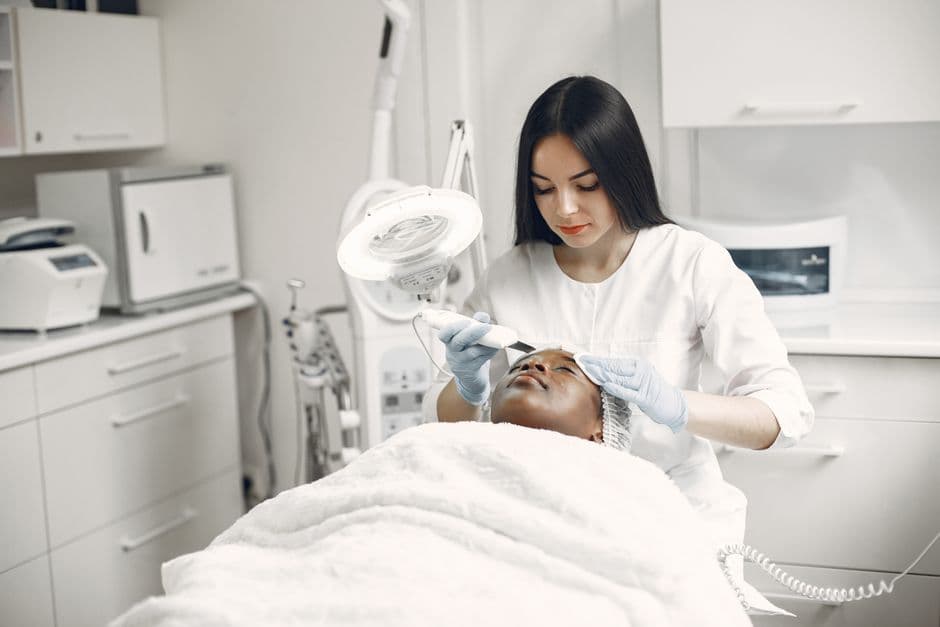
Verify Board Certification Directly
Before you book anything, look the surgeon up yourself on the American Board of Plastic Surgery's public verification tool rather than taking a website's word for it. Certification confirms a specific, rigorous plastic surgery residency and passed exams — it is different from generic "cosmetic surgery" certifications that sound similar but don't require the same training.
A legitimate practice will never be defensive about this question. If a surgeon's credentials are hard to verify or the practice avoids a direct answer, treat that as useful information in itself.
Ask About Complication and Revision Rates
Every surgery carries real risk, and an experienced surgeon should be able to speak plainly about their own complication rates and how they handle a revision if a result isn't what was expected. Vague reassurance ("it'll be fine") is a worse answer than a specific, honest one.
Ask directly what percentage of patients need a revision, and what that process looks like — timeline, cost, and whether it's the same surgeon. The answer tells you more about a practice than any before-and-after photo.
Get a Real, Written Quote at Consultation
A number quoted over email or on a landing page before a surgeon has ever examined you is not a real price — it's a marketing figure meant to get you in the door. Your actual cost depends on your anatomy, the technique required, anesthesia, and facility fees, all of which vary patient to patient.
Insist on a written, itemized quote after your consultation, broken into surgeon's fee, anesthesia, and facility cost, so you can compare it against other consultations on equal terms.
Understand the Difference Between Surgical and Non-Surgical Options
Non-surgical treatments like Botox and dermal fillers are genuinely effective for certain concerns, but they solve a different problem than surgery does — they address dynamic wrinkles or lost volume, not loose skin, separated muscle, or significant reshaping. A surgeon who recommends fillers for a concern fillers can't actually fix isn't doing you a favor.
If you're unsure which category your concern falls into, say so plainly at your consultation. A good practice will tell you honestly when a non-surgical option won't get you the result you're picturing.
Plan Your Recovery Before You Book
Recovery isn't just downtime from work — for surgical procedures, most patients need real help at home for the first several days: rides to follow-up appointments, help with basic tasks, and someone around in case of an unexpected complication. Figure this out before you schedule, not after.
Ask specifically what the first 48 hours, the first week, and the first month look like for your procedure, and build your calendar around the real answer rather than the shortest estimate you were given.
Understand Financing Terms Before You Sign
Because cosmetic procedures are almost never covered by insurance, financing through a third-party medical lender like CareCredit or Alphaeon is common — but promotional 0% interest periods often convert to high retroactive interest if the balance isn't paid in full by the deadline.
Read the term sheet, not just the monthly payment number, and ask what the actual APR becomes after the promotional window closes before you commit to any financing plan.
Bring Reference Photos as a Starting Point, Not a Guarantee
Reference photos are genuinely useful at a consultation — they give your surgeon a concrete sense of the look you're describing. But your anatomy, skin, and bone structure are your own, and the same procedure will not produce an identical result on two different people.
Use reference photos to start a conversation about what's realistic for you specifically, not as a literal target. A surgeon who promises to replicate someone else's exact result is setting expectations they can't actually control.
Know What to Ask About Anesthesia and Safety
Ask directly what type of anesthesia is planned for your procedure, who administers it, and whether the facility is accredited for the level of anesthesia being used. This is a basic safety question every patient is entitled to a clear answer to.
For any procedure requiring general anesthesia, confirm the facility carries the appropriate accreditation (such as AAAHC or Joint Commission) and that a board-certified anesthesiologist — not just a nurse — is present for your surgery.
Ask How Many of Your Specific Procedure the Surgeon Performs
Experience with your specific procedure matters more than overall years in practice — a surgeon who has performed hundreds of rhinoplasties brings a different level of pattern recognition than one who does a handful a year alongside a broader general practice. Ask directly how many of your specific procedure they perform annually.
If a surgeon seems evasive about volume or experience with your specific procedure, that is a fair reason to keep looking, especially for more technically demanding surgeries like revision cases or combination procedures.
Understand What "Accredited Facility" Actually Means
It's not just the surgeon's credentials that matter — the facility where your surgery happens should carry independent accreditation from a body like AAAHC, the Joint Commission, or state licensure, confirming it meets safety standards for the anesthesia level being used.
This distinction matters most for procedures under general anesthesia — an unaccredited facility performing surgery under general anesthesia is a real red flag worth walking away from, regardless of how qualified the surgeon otherwise seems.
Read Reviews Critically, Not Just for Star Rating
A high star rating tells you little on its own — read a handful of full reviews for detail about the actual consultation experience, communication during recovery, and how the practice handled any complications or unexpected costs.
Be equally attentive to how a practice responds to negative reviews. A thoughtful, professional response says more about how they will treat you if something goes wrong than a wall of five-star ratings with no detail behind them.
Ask About the Recovery Space You'll Be Sent to After Surgery
Where you spend the first hour or two immediately after anesthesia matters — ask whether the facility has a dedicated, monitored recovery area staffed by qualified recovery nurses, not just a chair in a back room, especially for procedures requiring general anesthesia.
This is a fair question to ask directly, and a facility confident in its safety standards will describe its recovery protocol specifically rather than brushing past the question.
Don't Let Urgency Override Your Own Timeline
Limited-time discounts, "book this week" pricing, or pressure to decide on the spot are worth treating as a red flag rather than a bonus — a good surgical decision doesn't need to be rushed, and a practice confident in its work doesn't need urgency tactics to fill its calendar.
Take the time you actually need, get a second opinion if you want one, and book when you're confident — not when a countdown timer tells you to.
Ask What's Included If You Need a Touch-Up
Some procedures — fillers, fat grafting in a BBL, even certain surgical results — sometimes need a minor touch-up to fully match the intended result. Ask upfront whether a touch-up within a defined window is included in your price or billed separately, so you're not surprised later.
This is a fair question for any practice to answer clearly, and a written touch-up policy included with your quote is a good sign of a practice that stands behind its work.
Trust Your Own Read of the Consultation, Not Just the Credentials
Credentials and safety questions matter enormously, but so does whether you actually felt heard during your consultation — did the surgeon listen to what you specifically wanted, or did the conversation feel like a script aimed at closing a sale?
If something about a consultation felt off, even if you can't articulate exactly why, that instinct is worth listening to. A good surgeon-patient relationship, especially for elective surgery, should feel like a genuine partnership from the first visit.


Schedule Your Consultation
Every procedure at The NYC Plastic Surgeon starts with an honest, in-person conversation about your anatomy, your goals, and what result is realistic for you.